What it is like to work in Kazakh telecom: bailanys survey results
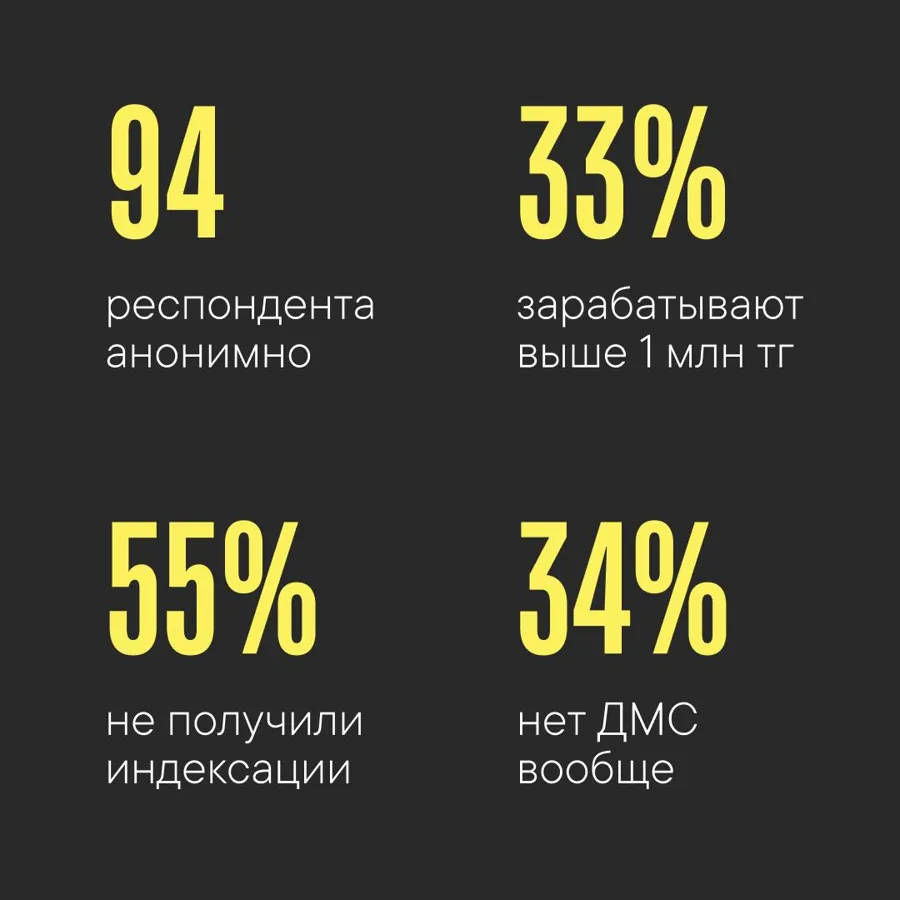
At bailanys, our Telegram media about telecom, we ran an anonymous career survey among industry employees and collected 94 answers. A third of respondents earn more than 1 million tenge, but 55% got no pay indexation in the past year, 34% have no health insurance, and almost 80% are thinking about changing jobs in one way or another.
About the survey
bailanys is an independent Telegram channel about communications and telecom in Kazakhstan, run by the TELLER team. We launched an anonymous survey there about careers in telecom, for employees of telecom companies, operators' IT departments and communications infrastructure.
The survey was shared through bailanys and other Telegram channels. The sample is not statistically representative and does not claim to portray the whole industry, but it reflects the views and experience of active employees. Respondents named their companies themselves, and their personal data was not verified.
Important. This article reports answers from participants in an anonymous survey and is not the position of TELLER or the bailanys editorial team. Assessments of employers, working conditions and management are the respondents' subjective opinions. We did not verify these answers and take no responsibility for their content.
Who answered
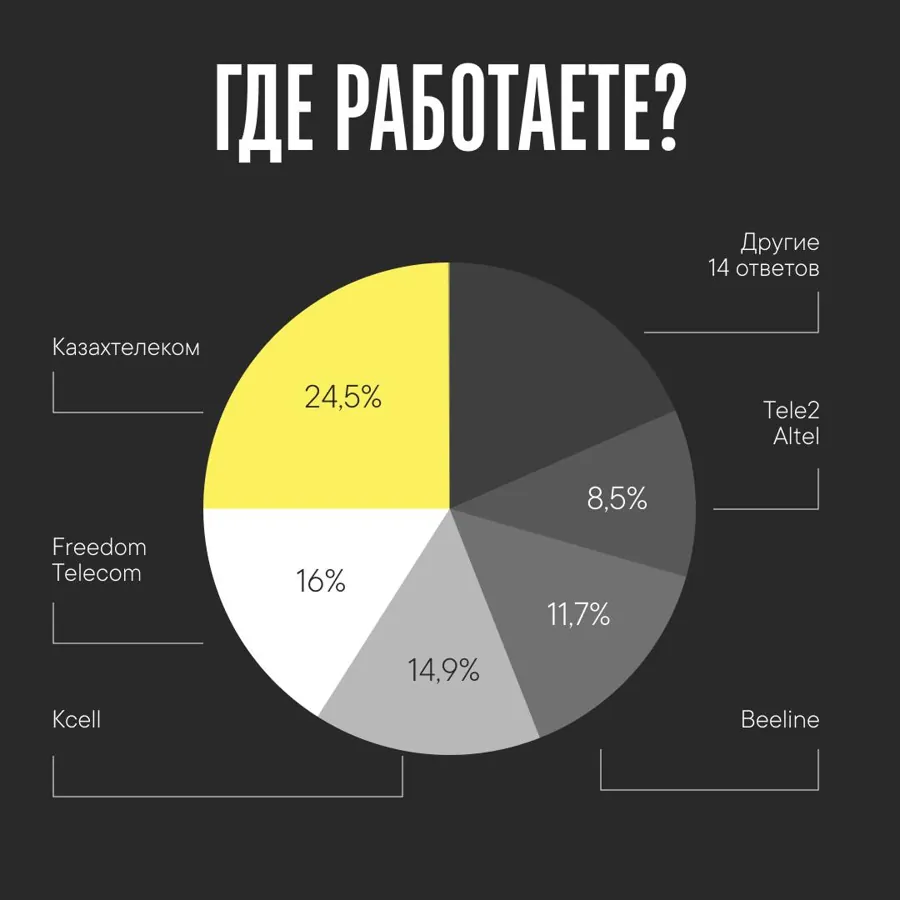
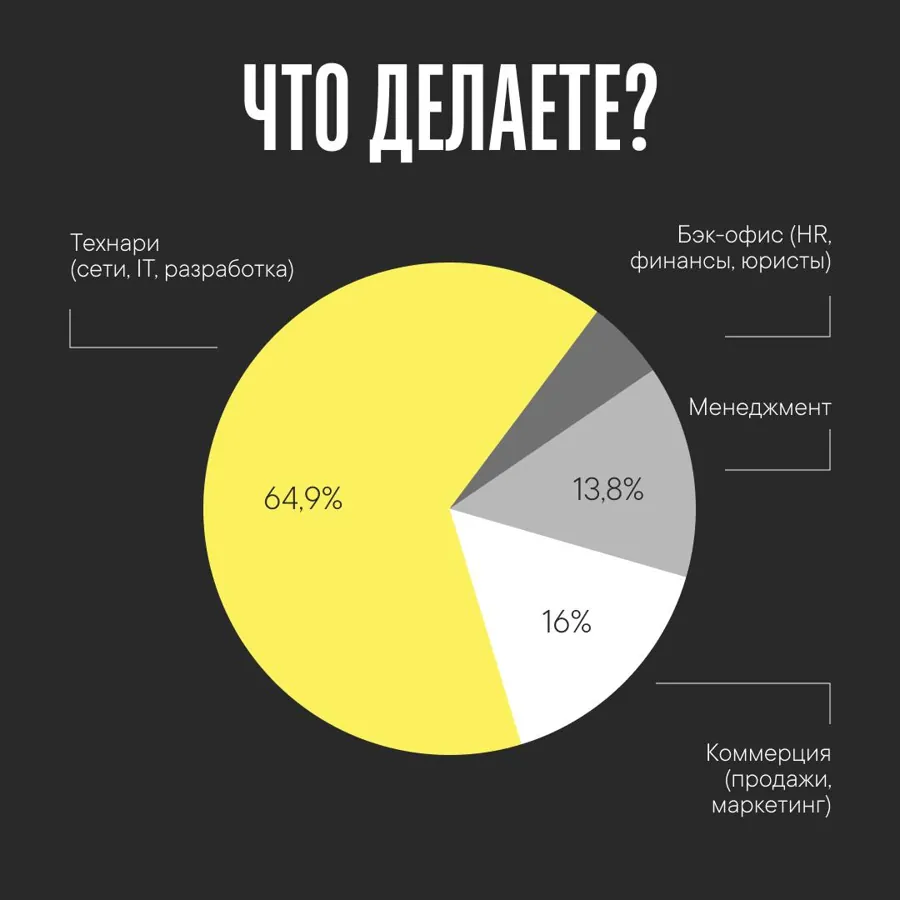
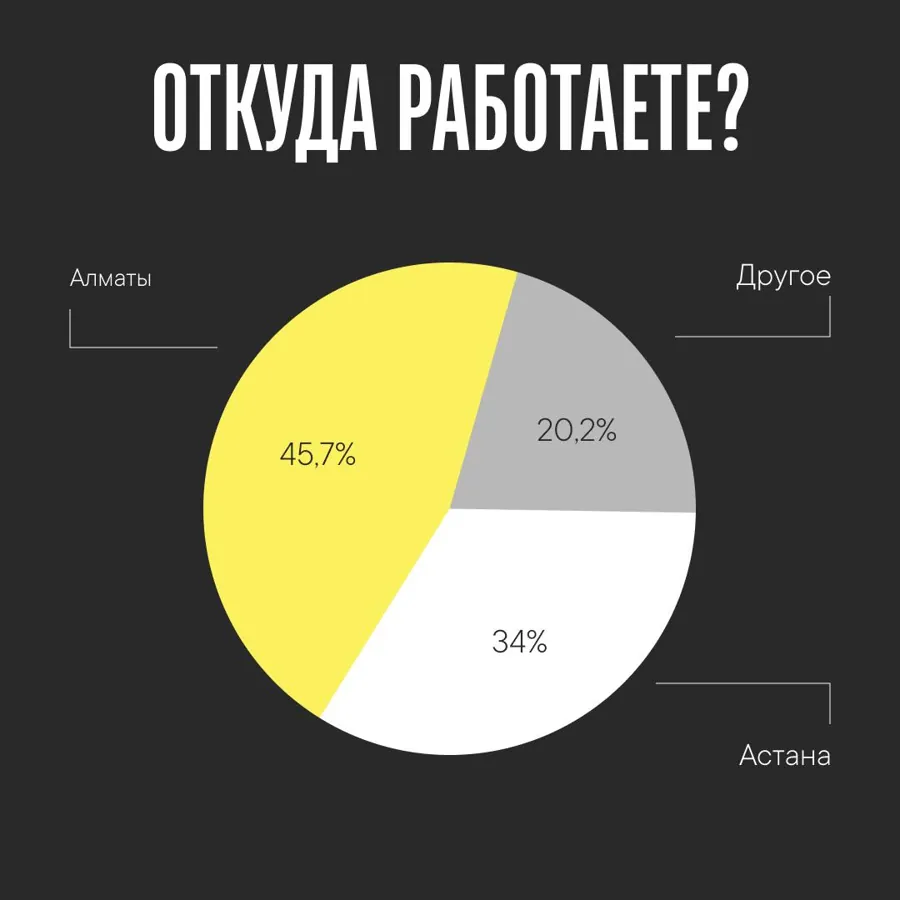
A quarter of participants work at Kazakhtelecom, followed by Freedom Telecom, Kcell, Beeline and Tele2/Altel. Almost two thirds are technical specialists in networks, IT and development. Most live in Almaty and Astana.
| Question | Answers |
|---|---|
| Company | Kazakhtelecom: 24.5%, Freedom Telecom: 16%, Kcell: 14.9%, Beeline: 11.7%, Tele2/Altel: 8.5%, others (14 answers) |
| Role | technical (networks, IT, development): 64.9%, sales and marketing: 16%, management: 13.8%, back office: the rest |
| City | Almaty: 45.7%, Astana: 34%, other cities: 20.2% |
1. Telecom people prefer stability
More than half of respondents have been with the same employer for three years or longer, and a third for more than seven years.
The flip side of stability is stagnation. It is mentioned most often by people who have been with one company for a long time. For example, several respondents from Jusan Mobile noted that, in their view, the development of the telecom business has slowed down, while salaries are paid on time.
2. There is money in the industry
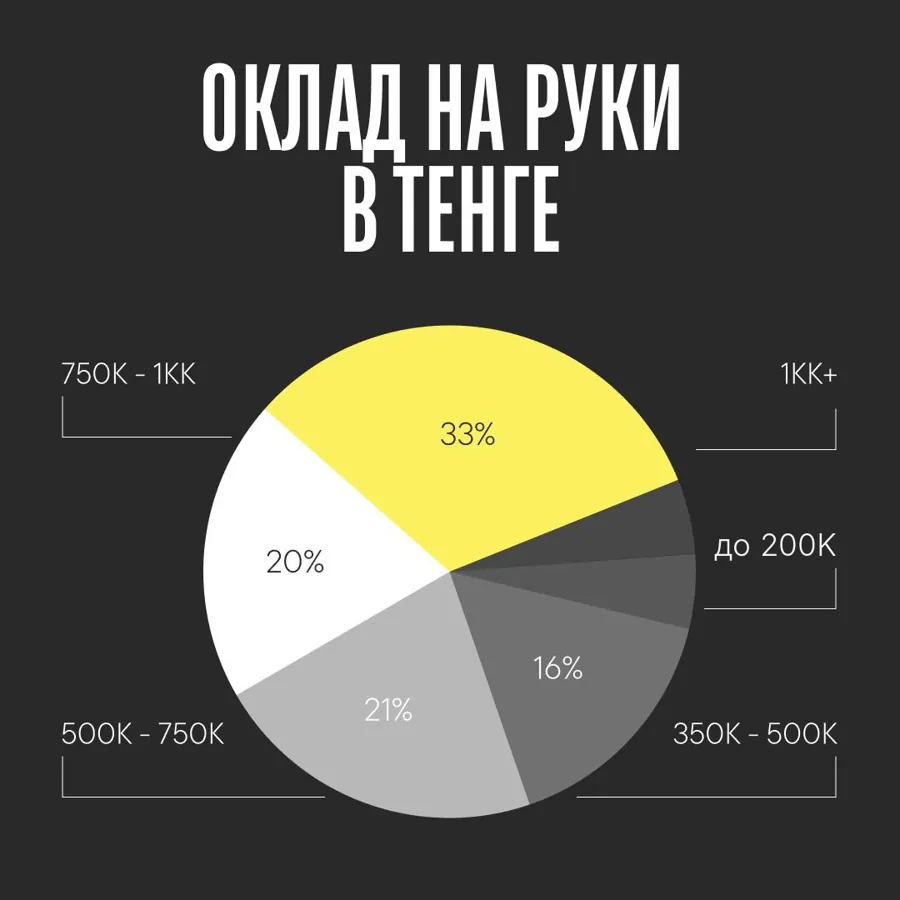
A third of respondents take home more than 1 million tenge, mostly in technical roles, management and sales.
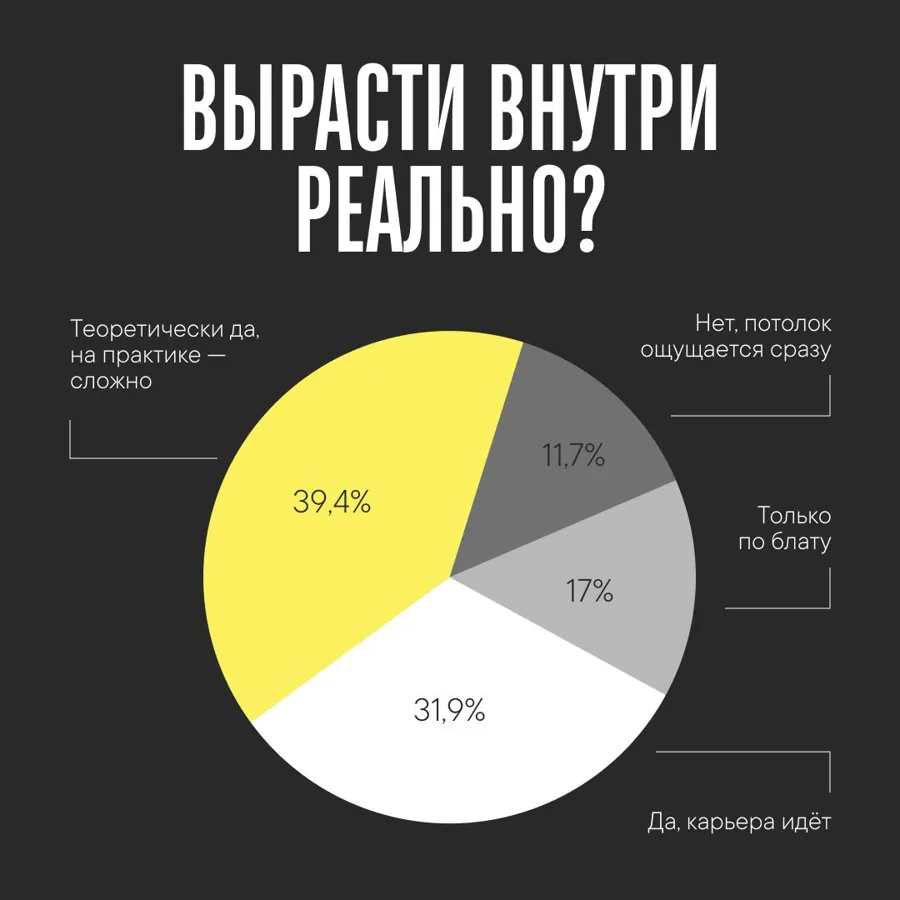
71% believe it is possible to grow within the company, though 39% add that in practice it is hard. Another 17% believe you can only advance through connections, and 12% hit a ceiling right away.
Those who have been with a company for one to three years are the most often unhappy with their salary. Yet some stay with the same employer for seven years or more on 200,000–350,000 tenge.
3. Regular bonuses and pay indexation are more of a luxury
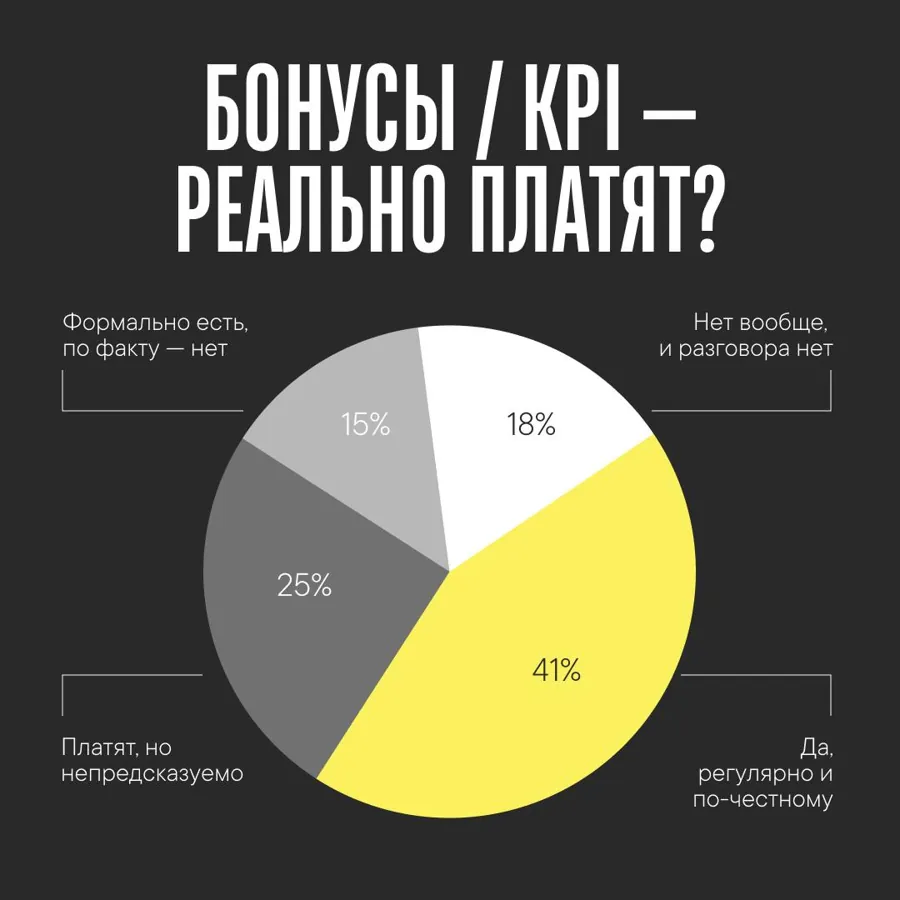
41% of respondents receive bonuses and KPI payments regularly and fairly. For a quarter, payouts are unpredictable; for 15%, bonuses exist only on paper; and 18% have none at all. Regular bonuses were mentioned more often by respondents from Beeline and Kcell. Answers from employees of Freedom Telecom, Jusan Mobile and Transtelecom more often included “no bonuses” and “unpredictable payouts”.
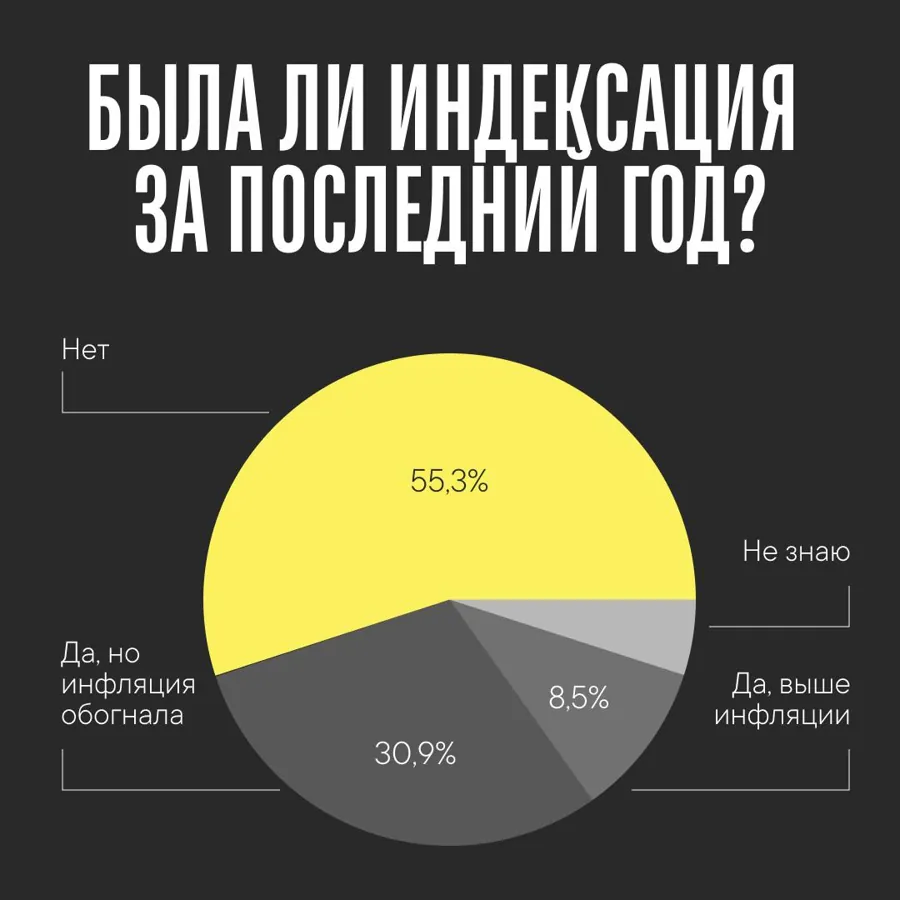
55% did not get a pay indexation in the past year, and another 31% got one that inflation outpaced. Only 8.5% had their pay raised above inflation. In effect, this is a hidden cut in real income.
4. The office is mandatory, perks vary, overtime is the norm
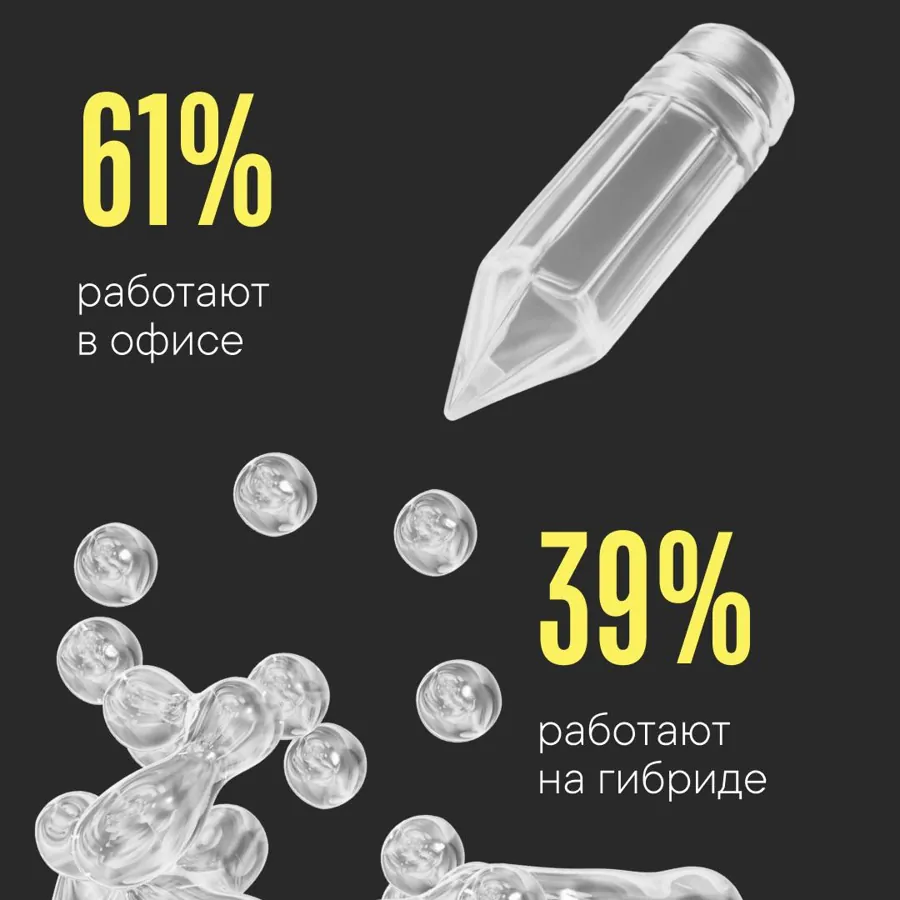
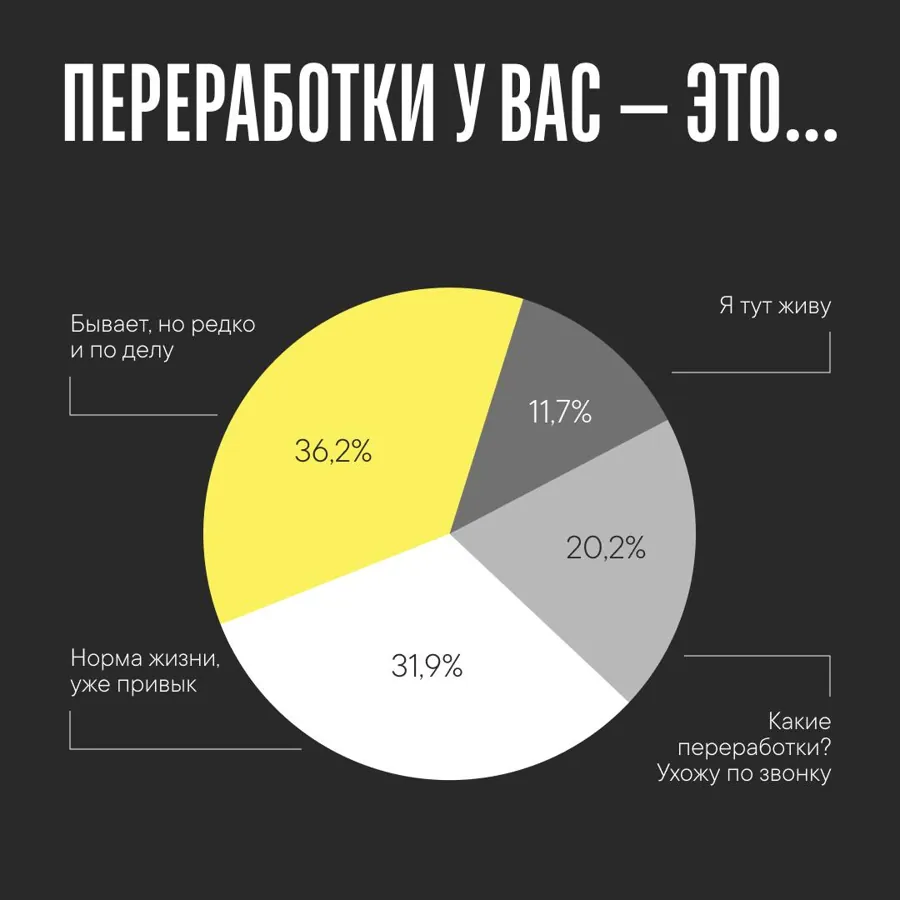
61% work in the office and 39% work hybrid. Most work overtime: for 32% it is “a way of life”, 12% “live at the office”, and only 20% leave right on time. Those who “live at the office” are the least willing to recommend their employer.
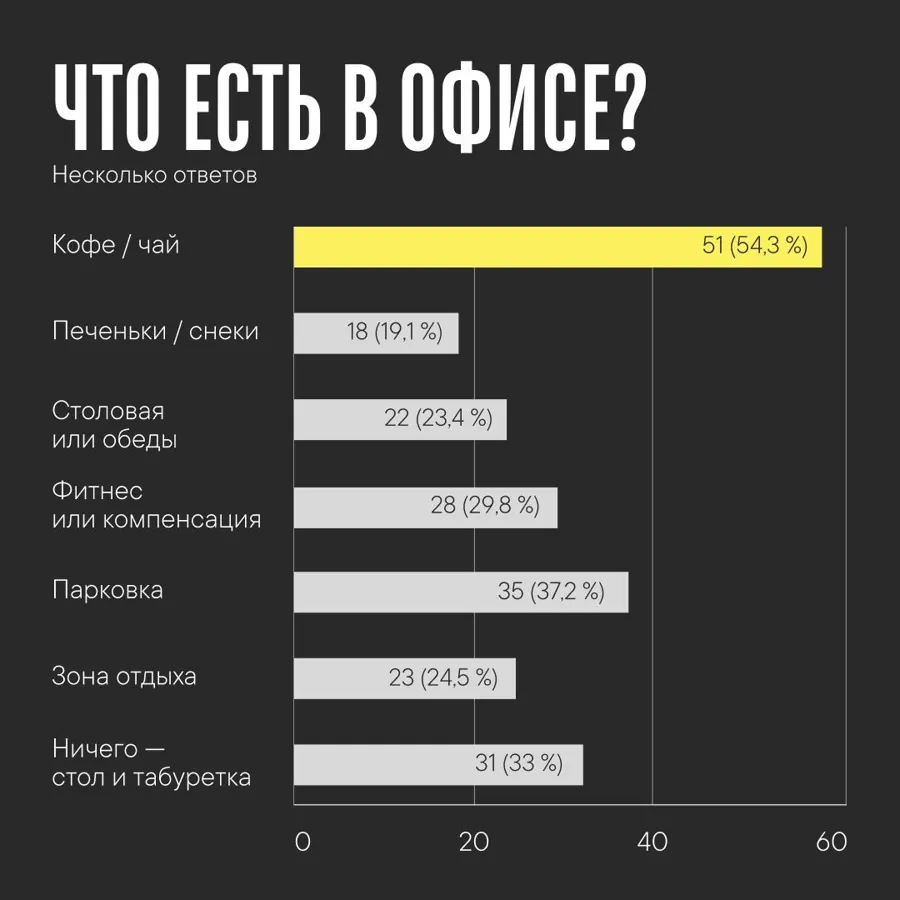
Office conditions are hit or miss. 54% have coffee and tea, 37% have parking, and 30% have a gym or gym allowance. A third of respondents work in spartan conditions: “a desk and a stool”.
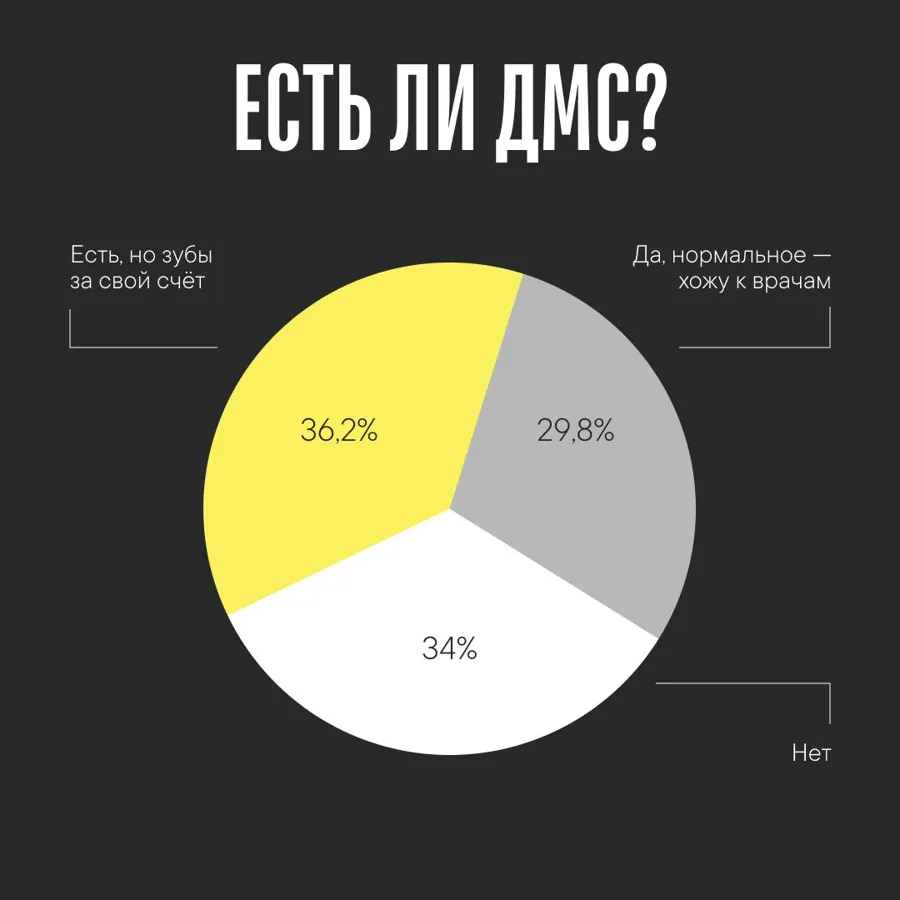
34% of respondents have no voluntary health insurance. For the rest, it usually covers standard services, and many pay for dental care themselves. One technical specialist described the conditions at two employers like this:
“At KT you get health insurance after 3 years, at Beeline after 3 months. KT may give you an interest-free loan to buy an apartment, Beeline compensates mortgage interest monthly. Both have professional development programmes for employees; the main problem is getting into them.”
5. A corporate mobile plan is not part of the basic package
This result surprised us most: for 59% of respondents at telecom companies, a mobile plan is not part of the benefits package at all, so they pay for their own SIM like everyone else. 31% have a generous corporate plan.
We noticed an interesting pattern: companies that provide a corporate mobile plan usually also have more flexible working conditions and a stronger corporate culture, and their employees are more willing to recommend them. Where there is none, bureaucracy and micromanagement come up more often. A small thing, but it says a lot.
6. Almost 80% are thinking about changing jobs
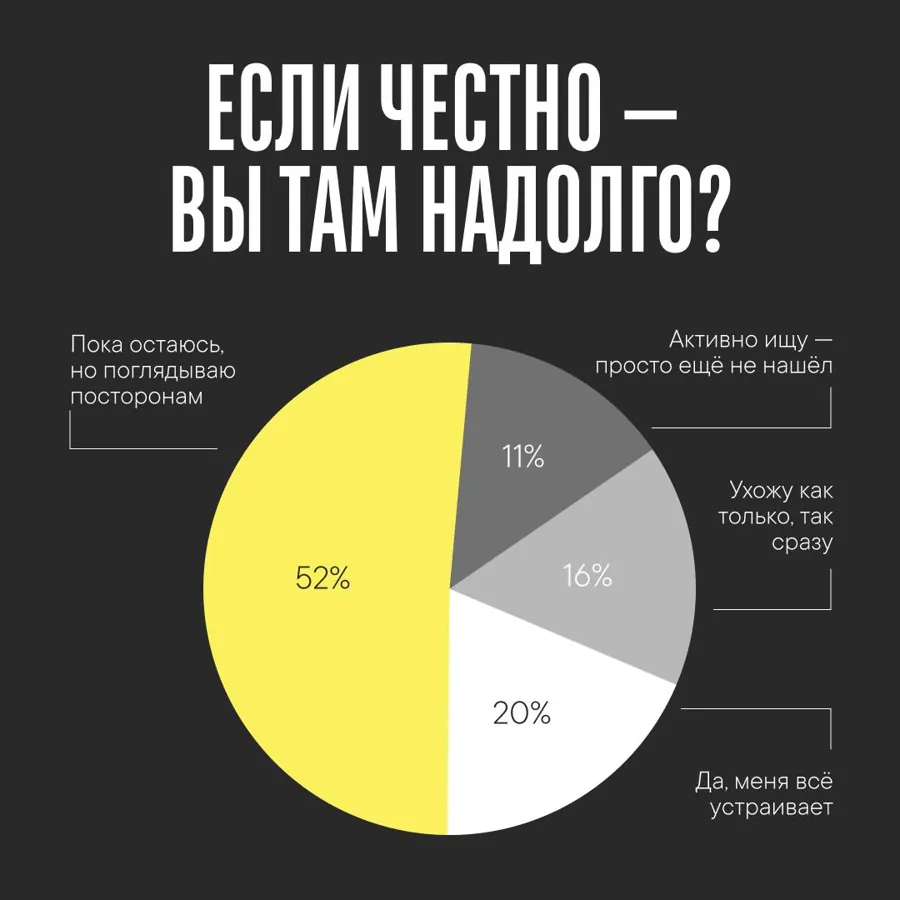
For HR, this is the most worrying figure. 52% are staying for now but looking around, 11% are actively looking for a new job, and 16% will leave as soon as they get the chance. Only 20% are fully satisfied.
Employees are most often unhappy with pay, stagnation, bureaucracy and incompetent management. Answers included “a specialist is not a resource but a consumable” and “there is no alternative in the regions”.
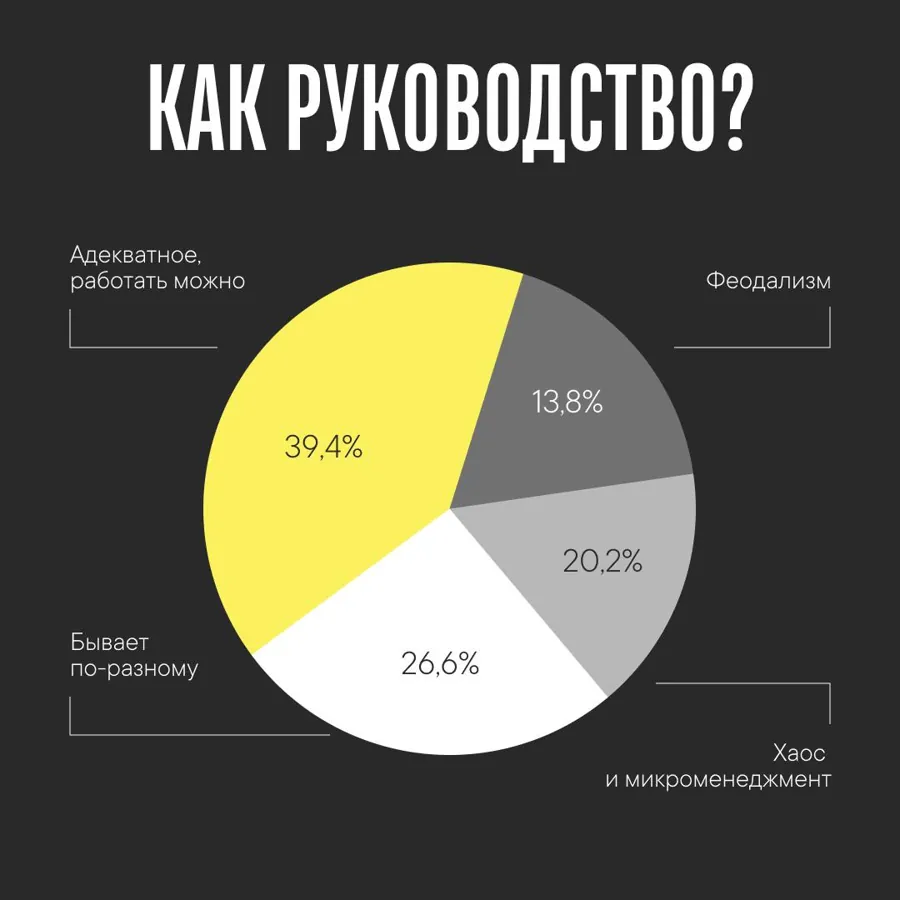
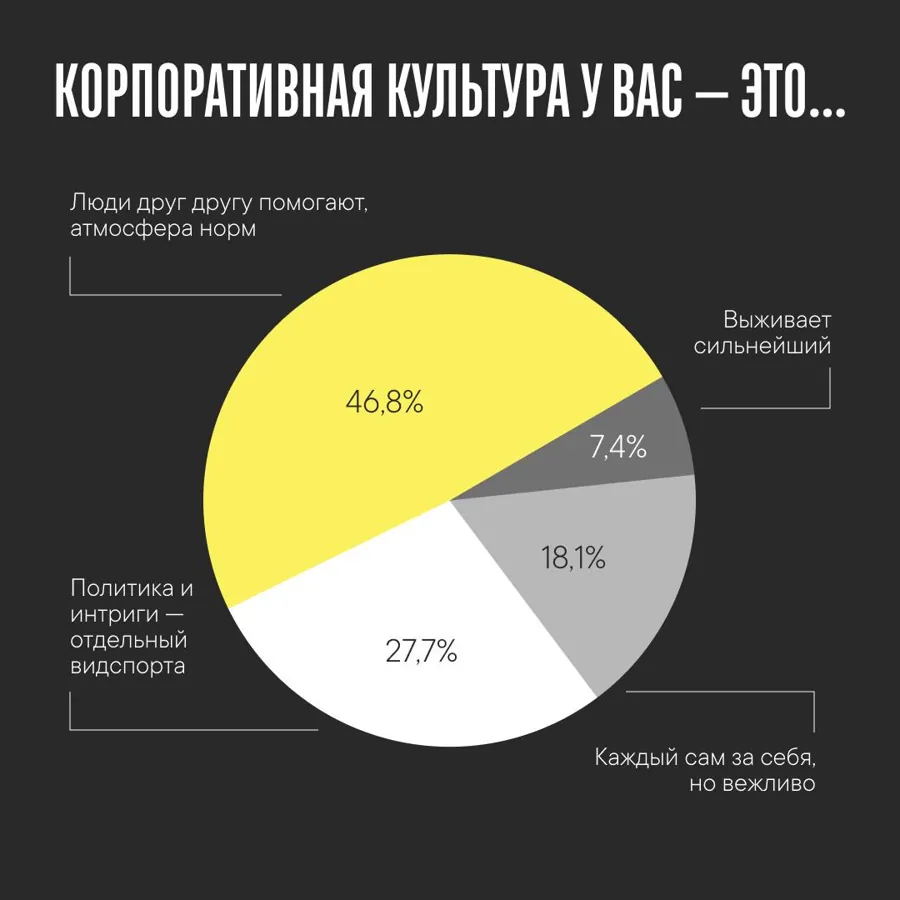
39% consider their management reasonable, and another 27% say “it varies”. 20% report chaos and micromanagement, and 14% “feudalism”. 47% describe their corporate culture as “people help each other”, but for 28% it is “politics and intrigue”.
7. AI could replace them only in theory
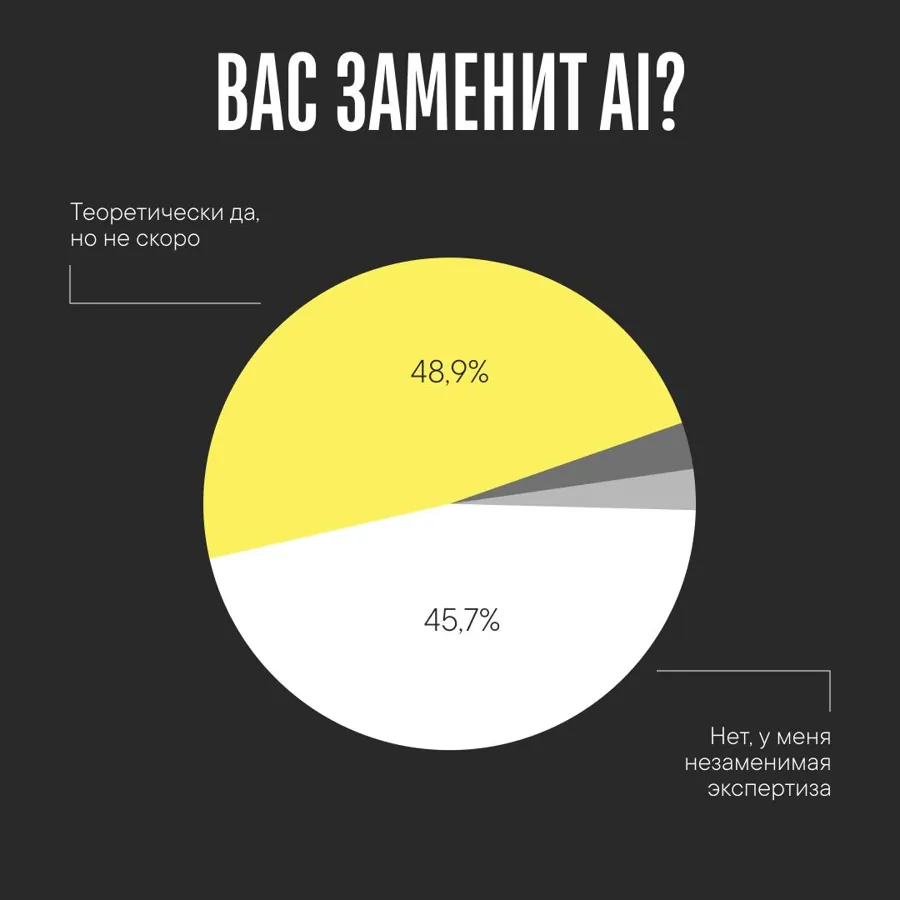
Respondents are generally sceptical about automating their work, especially technical and IT specialists. 49% think AI could replace them in theory, but not soon, and 46% are confident their expertise is irreplaceable. Only a handful think otherwise.
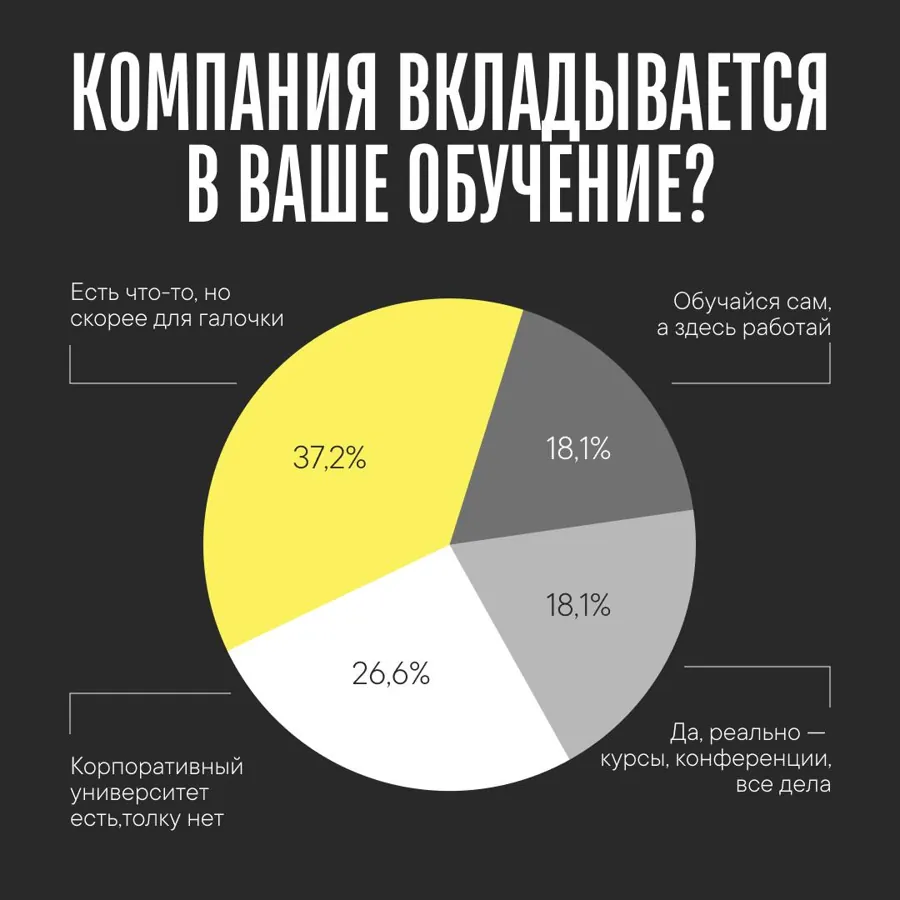
Only 18% see real value in company-paid training. For 37%, corporate training exists “just for show”, for 27% there is a corporate university that does not help, and another 18% are told to learn on their own.
The bottom line
Despite relatively high salaries, telecom has a growing retention problem. Money no longer guarantees loyalty, and “stability” is gradually turning from an advantage into a compromise, for highly paid specialists and middle earners alike. People stay not because they are happy, but because they have not found an alternative.
At the same time, few players on the market have a truly strong employer brand. Without investing in it, companies risk losing their best specialists to headhunters, which will later affect both service quality and business growth.
This article is based on answers from participants in an anonymous survey and reflects their personal opinions. It is not the position of TELLER or the bailanys editorial team, and we take no responsibility for the content of the answers.
Why we run surveys like this
Industry media can do more than retell the news: it can create its own data for the market to discuss. Surveys like this give readers a reason to share their experience and give the channel its own agenda. Read more about how we built bailanys in the case study, and about brand media in general in the article “Brand media”.